Blog
March 5, 2026
Client Communication Tools: Comparison Guide for freelancers in United States
Client Communication Tools: Comparison Guide for freelancers in United States Keeping communication smooth with clients isn’t just a nice-to-have—it’s a must...
On this page
Client Communication Tools: Comparison Guide for freelancers in United States
Keeping communication smooth with clients isn’t just a nice-to-have—it’s a must. Whether you’re juggling multiple projects or just want to cut down on back-and-forth emails, the right client communication tools can save you hours every week. They help you stay organized, keep everyone on the same page, and make sure nothing slips through the cracks.
But not all tools are made equal. Some focus on messaging, others on file sharing, and a few combine everything into one spot. Picking the right fit depends on how you work and what your clients expect. Say, if you’re looking to improve follow-ups after meetings or calls, tools like Meetdone can turn those scattered thoughts into clear next steps without the hassle. I’ve seen teams stop losing track of tasks simply by having a dedicated meeting notes app that works alongside their client chats.
Also, if managing your time is a struggle, pairing your communication setup with freelancer productivity tools can be a game-changer. It’s about more than just talking; it’s about making every interaction count and keeping projects moving forward. If you want to see how to nail client follow-up emails or keep meeting notes tidy, there are practical tips available that fit right into this workflow.
In short, choosing the right client communication tools isn’t just about technology—it’s about making your work life easier and your clients happier. Stick around, and I’ll walk you through what works and what doesn’t so you can pick the tools that actually help.
Commercial context and intent mapping

When people search for client communication tools, they’re usually not just curious—they want something that works for managing back-and-forth with clients in a business setting. That means the intent behind this keyword is commercial, but with a strong informational bent. They want to understand their options before committing to a purchase or a subscription.
Why client communication tools matter commercially
In any business that deals directly with clients—whether it’s a freelancer, a small agency, or a mid-sized company—communication is the lifeblood. The better you communicate, the smoother your projects run, the fewer misunderstandings, and the happier your clients are. This job becomes a nightmare without the right tools because:
- Emails get lost or buried.
- Updates aren’t tracked properly.
- Clients feel ignored or confused.
- You spend more time chasing replies than doing actual work.
So, businesses look for tools that solve these problems specifically. They want reliability, clarity, and ease of use. The commercial driver here is efficiency: save time, reduce errors, and improve client satisfaction, ideally all at once.
What people really want when they look for these tools
It’s tempting to think people are just shopping for software, but that’s only part of the story. They actually want:
- Clear records of all client conversations for future reference.
- Easy follow-up options to keep clients engaged.
- Integration with calendars and project management.
- Tools that help with meeting notes and action items to avoid miscommunication.
Take, for example, a freelancer juggling multiple clients. They need quick tools to send follow-ups without sounding pushy and to keep their projects organized. Tools like Meetdone double as a meeting notes app and client communication helper, making follow-ups straightforward and less of a chore. This is a rare but useful combo that cuts down on switching between apps.
Mapping intent to commercial outcomes
Here’s a rough breakdown of how the keyword intent maps to business goals:
| User Intent | What They Search For | Expected Business Benefit | |----------------------------|---------------------------------|----------------------------------| | Understanding options | Reviews, features, comparisons | Find the best fit for needs | | Managing communication | Follow-up tools, message tracking | Reduce miscommunication | | Improving client relations | Scheduling, notes, reminders | Increase client satisfaction | | Saving time | Automation, templates | Boost productivity |
If you’re selling or recommending client communication tools, your content has to hit all those points in a clear, practical way. That means showing how your tool or service actually works day to day for real people, not just listing features.
Practical examples
-
A small marketing agency might use a tool to send scheduled follow-up emails to prospects and clients, ensuring no one falls through the cracks. They would want email templates and automation with easy editing.
-
Freelancers often juggle multiple projects and deadlines. A tool that integrates meeting notes with task assignments and client messages—like Meetdone—can cut down the chaos by keeping everything in one place.
-
Consultants holding regular check-in calls need a reliable meeting notes app that syncs notes with client records and sends summaries after every meeting. That’s the kind of practical workflow these tools should support.
A quick list of what content should cover for this keyword
- What client communication tools actually do day to day
- Concrete benefits in time saved and client satisfaction
- Examples of typical users and their needs
- How tools like Meetdone help solve specific pain points
- Clear next steps for readers wanting to try or learn more
This section alone can prepare readers to make a confident buying or trial decision by matching their real-world needs to what’s available. Next sections can dive deeper into features, comparisons, and tips to pick the right tool. Meanwhile, if you want to improve your client follow-up emails, this article has some practical pointers. Also, freelancers can check out freelancer productivity tools to see how communication fits into a broader workflow.
Step-by-step implementation process

Picking the right client communication tools is only half the battle. How you roll them out makes all the difference. Here’s a practical guide to getting these tools up and running without headaches or wasted effort.
1. Identify Your Communication Needs First
Before you pick any tool, figure out what you actually need to communicate—and how often. Are you mostly sending project updates? Do you need quick chat options, or is formal email your vibe? Maybe video calls are essential.
Make a quick list:
- Types of client interactions
- Frequency
- Preferred channels
- Collaboration needs
This step helps avoid grabbing a tool packed with features you won’t use or missing ones you can’t live without.
2. Choose Tools That Fit Your Workflow
Once you know your requirements, test out a few client communication tools. Don't just pick what’s most popular; look for what fits your style and your clients’ habits.
For example:
- If you want to keep everything organized in one place, try a meeting notes app like Meetdone, which keeps meeting summaries, to-dos, and feedback centralized.
- If freelancers or remote teams are involved, check out tools known for boosting productivity, like freelancer productivity tools, which often have built-in communication features.
Make sure the tools integrate smoothly with your existing apps.
3. Set Clear Communication Protocols
Tools don’t fix confusion about who talks when or how. You need rules.
Outline these basics:
- Preferred channels for different types of messages
- Response time expectations
- Meeting schedules and how to prepare
- How to handle project feedback and revisions
Example: “Use Meetdone for summarizing client meetings within 24 hours” is clearer than “Keep clients updated.”
Having these in writing helps everyone stay on the same page and avoid mixed signals.
4. Train Your Team and Clients
Tools are only as good as the people using them. Spend time showing your team—and if possible, your clients—how to use the tools effectively.
- Host a quick walkthrough or record a demo video.
- Share tip sheets covering the basics.
- Highlight shortcuts or features that save time.
- Encourage feedback to address any confusion early.
If clients struggle with a tool, be ready to offer alternative ways to communicate, at least temporarily. Flexibility builds trust.
5. Start Small, Then Scale
Don’t overhaul your entire communication system overnight. Pilot the new tools with one or two clients first.
Here’s what to watch for:
- Is communication smoother?
- Are deadlines clearer?
- Do clients respond faster or more openly?
- Is your team less frustrated or more productive?
Adjust based on what works. Maybe the chat tool is great, but clients hate the video calls. Or the meeting notes app speeds things up dramatically.
Once you’ve ironed out kinks, roll the tools out to more projects. This phased approach cuts risk.
6. Use Templates and Automations
Save time and consistency by setting up templates. For instance, client follow-up emails can be standardized but personalized quickly. You can check out some practical examples in this client follow-up email guide.
Look for tools that support automation:
- Automatic meeting reminders
- Pre-filled status update messages
- Task assignments after meetings
These cuts down repetitive work and keeps communication predictable.
7. Review and Improve Regularly
Client communication isn’t “set it and forget it.” Schedule regular check-ins within your team to discuss what’s working and what isn’t.
Questions to ask:
- Are clients happy with how we communicate?
- Do we miss important updates?
- Are tools slowing us down or speeding us up?
- Any features we’re not using that could help?
Use this feedback to tweak your process. Maybe you add a new tool or drop one that’s causing issues.
Implementing client communication tools isn’t just about clicking “install.” It’s about matching tools to your real needs, setting clear expectations, supporting everyone’s use of them, and always being ready to adjust. Tools like Meetdone that combine notes, tasks, and follow-ups in one place make it especially easy to keep client conversations clear and productive. Get this right, and you’ll notice fewer misunderstandings, faster project turnaround, and happier clients.
Real-world examples and execution details
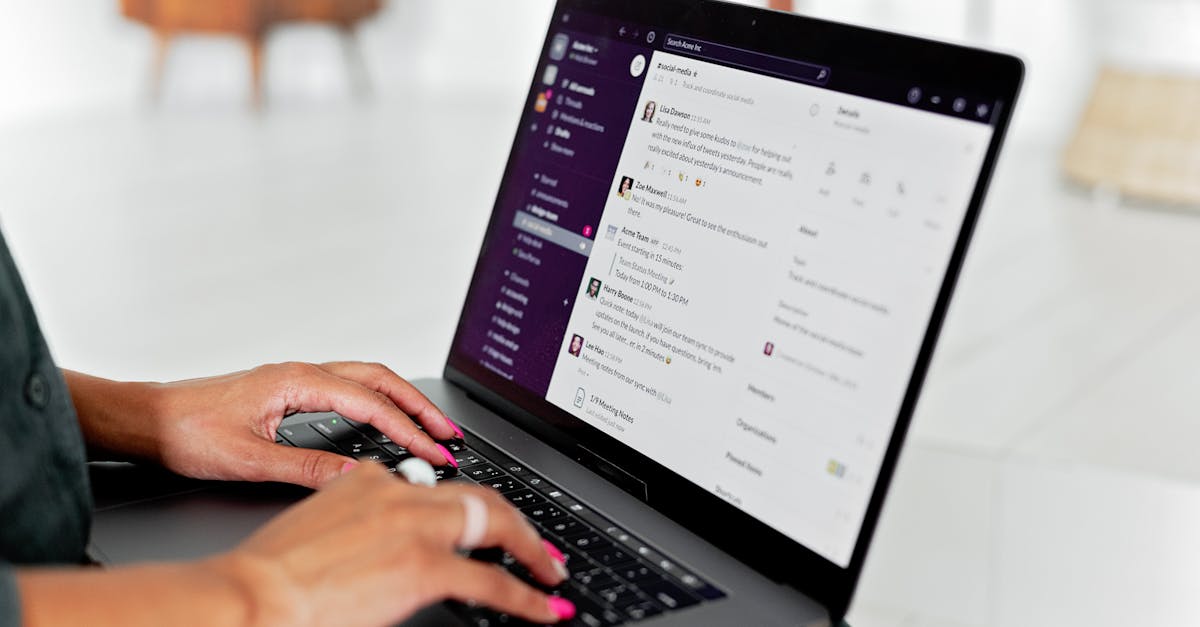
Client communication tools, theory only gets you so far. The real value is in how you actually use these tools day-to-day to keep projects on track and clients happy. Here’s how some companies and freelancers put these tools into practice, with concrete steps and benefits.
1. Using a Shared Meeting Notes App to Keep Everyone Aligned
One big headache in client communication is the classic “Wait, what did we decide?” moment after meetings. This is where a meeting notes app shines, especially one that your client can access directly. Instead of sending emails back and forth or relying on memory, you create notes in real-time, tag action items, and share the link immediately after.
How it plays out in reality:
- Before the call, prepare a shared agenda in the app.
- During the meeting, note key points and assign tasks live.
- Immediately after, send a follow-up link for clients to review and comment.
- Track task completion within the same tool or link it to your project management system.
This approach cuts down on misunderstandings and missed deadlines. Meetdone is one tool that offers this kind of straightforward, collaborative meeting notes feature, making it easier to keep clients in the loop without extra effort.
2. Efficient Client Follow-ups Without Being Pushy
Following up with clients after proposals, meetings, or deliverable submissions is essential but tricky. You want to stay professional and timely without feeling like a nag. Email templates combined with a CRM or client communication tool save hours and reduce stress.
Practical example:
- Set calendar reminders or automated workflows to trigger follow-up emails.
- Use templates that personalize each message just enough to feel genuine.
- Track opens and clicks if your tool supports it, so you know when to nudge again or hold off.
- Keep a log of all client communications in one place for context.
For freelancers juggling multiple clients, this system prevents anyone from slipping through the cracks. You can see a few examples on how to craft these emails in this client follow-up email guide.
3. Combining Chat, Video, and Documents in One Place
Many teams scatter communication across Slack, Zoom, email, and file-sharing platforms, which burns time hunting for info. Blending these into a single client communication hub speeds up responses and reduces confusion.
Example workflow:
| Tool Type | Purpose | Execution Tips | |-----------------|----------------------------------|-----------------------------------| | Chat platform | Quick questions and updates | Set clear channels for each client | | Video calls | Deep discussions or brainstorming| Schedule with calendar invites | | Shared docs | Proposals, contracts, or reports | Use comment threads for feedback |
Say you’re working on a marketing campaign. Instead of emailing drafts back and forth, you keep the strategy doc live in a shared space, chat about changes in real-time, and jump on quick video calls when decisions stall. This cuts down email clutter and accelerates turnaround.
4. Tracking Productivity to Improve Client Interactions
Good communication isn’t just about messages sent or meetings held. It’s about making every interaction count. Tracking how you and your team spend time can reveal where communication bottlenecks happen.
For freelancers, tools that combine task tracking with communication logs can highlight:
- Which clients need more frequent check-ins.
- When you’re spending too long on back-and-forth clarifications.
- Opportunities to simplify the process.
Meetdone also offers features aimed at improving productivity by linking meeting notes with task tracking—helping you close the feedback loop faster and keep clients feeling heard and prioritized.
Key takeaways for execution
- Use shared meeting notes to avoid forgotten decisions.
- Automate and personalize client follow-ups with email templates.
- Consolidate chat, video, and docs to reduce scattered communication.
- Track communication productivity to refine your approach over time.
By focusing on these practical setups, client communication tools become less of a chore and more of a genuine asset in managing relationships and delivering results. If you want tools that help with meeting notes and follow-ups, checking out Meetdone could save you some headaches. For more ideas on staying productive as a freelancer, their freelancer productivity tools article has useful tips too.
Common failures, fixes, and optimization loops

Client communication tools, even the best setups can hit snags. The problem often isn’t the tool itself but how it’s used—or not used. Here’s where people usually trip up and what you can do to get back on track.
Failure #1: Overloading clients with too many channels
One of the biggest mistakes is juggling five different platforms—email, chat apps, phone, video calls, and project management tools—and expecting clients to keep up. This just confuses everyone and makes following up a nightmare.
Fix: Pick 2-3 main communication tools and stick to those. Take use email for formal updates and summaries, a chat tool like Slack for quick questions, and maybe a video call app for detailed check-ins. Consistency helps clients know where to find info and how to respond. At the same time, tools like Meetdone can centralize your meeting notes and follow-ups, reducing the juggling act.
Failure #2: Ignoring follow-up emails or letting them slip
Following up is critical but often overlooked. You send an important message, and then.. Silence. No response, no clarity on next steps.
Fix: Set a strict follow-up schedule. If you don’t hear back in 2-3 days, send a polite reminder. Keep it short and specific—something like, “Just checking in on the proposal I sent last Thursday. Do you have any questions or feedback?” You can find useful strategies in this guide on client follow-up email writing.
Failure #3: Messy meeting notes and lack of clear action items
No one likes digging through hours of meeting recordings or half-written notes to figure out what’s next. This leads to missed tasks, duplicated efforts, and frustrated clients.
Fix: Use a dedicated meeting notes app to capture discussions in real-time. Tools like Meetdone shine here by letting you record decisions and assign clear, trackable action items. After each meeting, send a summary email highlighting those actions, deadlines, and responsibilities. This small step saves tons of confusion down the line.
Failure #4: Not tailoring communication to client preferences
Some clients prefer quick texts or instant messages, while others want detailed emails or formal reports. Treating all clients the same way can slow things down or irritate them.
Fix: Ask early on how they prefer to communicate. Then adapt accordingly. If a client prefers concise updates, respect that—don’t overload them with verbose messages. If they want detailed weekly reports, deliver that without fail. The effort shows respect for their time and boosts the relationship.
Failure #5: Failing to integrate productivity tools
Using client communication tools in isolation can waste time entering info multiple times or tracking tasks separately. This fragmentation kills productivity.
Fix: Link your communication apps with your productivity tools. For freelancers, integrating communication with task managers or time trackers can be a game-changer. If you’re looking for ideas, check out this list of freelancer productivity tools that help in syncing communication and workflow smoothly.
Optimization Loops to Keep Improving
Once you fix these basics, the work isn’t over—you need to keep tuning your client communication. Here’s a simple loop to follow:
- Gather feedback: After a project or milestone, ask clients what worked or didn’t in your communication. Be direct—“Was our email frequency okay? Did you get timely responses?”
- Analyze patterns: Look for recurring issues like delayed replies or unclear messages. Use data from your tools—meeting notes, follow-up emails, response times.
- Adjust your approach: Change one thing at a time—maybe send follow-ups sooner or switch to a new tool for notes.
- Test and measure: See if the change improves client satisfaction or speeds up decision-making.
- Repeat: Communication needs evolve. Keep this cycle going.
Quick checklist for better client communication tools
- Define 2-3 main channels and stick to them
- Schedule strict follow-ups with clear, short reminders
- Use meeting notes apps to record decisions and action items
- Ask clients their preferred communication style upfront
- Integrate communication tools with your task and project managers
- Regularly collect feedback and tweak your approach
Fixing these common failures and committing to continuous improvement doesn’t just save time—it builds trust. And trust is what turns one-off clients into long-term partners. If you want a good place to start, explore how meeting notes apps like Meetdone can help you keep communication clean, clear, and actionable.
When managing projects or client relationships, having the right client communication tools can make a huge difference. Think about tools that combine messaging, file sharing, and task tracking all in one place. That’s where something like Meetdone shines—it’s not just for chatting but also for keeping meeting notes and tasks aligned, so nothing slips through the cracks.
These tools help keep conversations organized, ensure timely follow-ups, and reduce misunderstandings.
There’s a bunch of options out there: some focus on chat, others on video calls, and a few mix everything with project management features. The key is picking tools that fit your workflow and clients’ preferences without overwhelming everyone. For freelancers or small teams, simple apps that handle follow-ups and meeting notes, like Meetdone’s meeting notes app, can save time and headaches.
If you want to improve how you stay on top of client follow-ups, checking out client follow-up email tips can help you keep messages clear and timely without sounding pushy. And if productivity is your goal, freelancer productivity tools often include communication features worth trying.
FAQ
What are the essential features to look for in client communication tools?
Look for tools that combine clear messaging, easy file sharing, and task or meeting note management. Being able to track conversations alongside action items is a game-changer. Integration with calendars and email helps too, so nothing falls through the cracks. If the tool supports both synchronous and asynchronous communication, that's even better. User-friendliness matters—you want clients and your team to actually use it without training headaches.
How can client communication tools improve project outcomes?
When communication is organized and accessible, misunderstandings drop dramatically. Everyone knows what was discussed, what tasks are pending, and deadlines. This transparency keeps clients happy and projects on track. Plus, having a single source for notes and follow-ups reduces repeated questions or missed requests. Tools like Meetdone that combine notes and task tracking make it easier to turn conversations into action without extra manual steps.
Are free client communication tools effective for small businesses or freelancers?
Absolutely. For many small teams or freelancers, free tools like Slack’s basic plan or Google Meet cover most communication needs. They provide solid chat, calls, and file sharing. The trick is to pick tools that don’t overwhelm with features you won’t use. Pairing them with simple task management or note-taking apps, such as Meetdone’s meeting notes app, can add structure without extra cost.
How do I ensure clients respond promptly using communication tools?
Set clear expectations upfront about response times and preferred methods. Use tools that send notifications or reminders for unanswered messages, helping keep clients on track. For follow-ups, crafting polite and concise emails is key—see resources like client follow-up email tips for examples. Automating reminders within your communication or project management tool can save time and avoid awkward chasing.
When picking client communication tools, you want something that keeps the conversation clear and organized without adding extra hassle. Email is still king for many, but it’s easy to lose track when threads get long. That’s where tools that combine messaging, file sharing, and task tracking come in handy—they keep everything in one place.
Platforms like Meetdone shine because they help you not only chat but also follow up on tasks and decisions, making client communication less of a mess. If you’re a freelancer or running a small team, integrating a meeting notes app or productivity tool can make follow-ups smoother and reduce back-and-forth emails. Check out guides on client follow-up emails or freelancer productivity tools to see how combining communication with task management can save time.
The key is picking tools that fit your workflow without overwhelming you or your clients. Avoid platforms that require everyone to sign up if they just want quick updates. Instead, focus on tools that simplify sharing progress and decisions. Clear client communication isn’t just about sending messages—it’s about keeping projects moving forward without confusion. That’s where investing in the right client communication tools really pays off.
Conclusion
Client communication tools aren’t just about staying in touch—they’re about making sure both you and your client are on the same page throughout the project. The right tool keeps conversations organized, tasks visible, and follow-ups easy, reducing delays and misunderstandings. Something like Meetdone can be a practical choice, especially if you want to combine messaging with meeting notes and task tracking.
If you’ve ever struggled with clients forgetting details or chasing down approvals, that’s a sign your communication system needs an upgrade. Finding a tool that fits your style and your clients’ preferences can make a big difference in how smoothly projects run. Keep it simple, focus on clarity, and make sure your tools help—not hinder—your workflow. That’s the best way to keep clients happy and projects on track.