Blog
March 6, 2026
Consultant Productivity Apps: Top Ideas for freelancers in United States
Consultant Productivity Apps: Top Ideas for freelancers in United States If you're a consultant, you know how quickly your to-do list can spiral out of contr...
On this page
Consultant Productivity Apps: Top Ideas for freelancers in United States
If you're a consultant, you know how quickly your to-do list can spiral out of control. Managing client projects, tracking time, organizing meetings, and juggling emails all eat up your focus. That’s where consultant productivity apps step in—they’re designed to cut through the noise and help you get things done without burning out or missing deadlines.
You don’t need a dozen tools cluttering your screen. The right apps can simplify your daily grind by keeping your tasks, notes, and communication in one place. For example, tools like Meetdone provide an easy way to track progress on client projects, capture meeting notes, and align your priorities without bouncing from app to app. This kind of focus can seriously boost your efficiency.
It’s not just about task management—some apps help with email templates tailored for consultants, speeding up your client communication and saving you from rewriting the same messages over and over. If you want to explore more ways to stay on top of your work, check out these consultant email templates and freelancer productivity tools that many consultants find useful.
Being productive isn’t about working harder, it’s about working smarter. The right productivity app can be your secret weapon to cut through distractions and deliver your best work consistently. So, if you’re ready to stop juggling and start focusing, keep reading to find apps that really make a difference.
Commercial context and intent mapping

When people search for consultant productivity apps, they usually want tools that actually help them get more done, faster, without a bunch of fluff or steep learning curves. Consultants live in a world where time literally equals money, so the apps they pick need to save time, keep projects on track, and help manage communication without adding extra work.
Who’s searching and why?
Most likely, the searcher is a consultant or someone managing consulting teams. They’re looking for apps that fit into their workflow, whether it’s tracking billable hours, organizing client meetings, or handling follow-ups efficiently. Sometimes it’s freelancers in consulting roles seeking tools to improve their solo productivity.
The commercial angle here is pretty clear: if you can offer a tool or suite of apps that streamline these tasks, you’re solving a direct pain point. Consultants aren’t interested in apps that just track tasks — they need productivity boosts that can be shown in clear outcomes like faster client onboarding, better time management, or simplified reporting.
Breaking down the intent: What do people expect from consultant productivity apps?
-
Task and project management Consultants juggle multiple clients and projects. Apps that let them break down deliverables, assign deadlines, and track progress in one place save a ton of time. Simple, visual boards or lists work better than complicated project management suites that require hours of setup.
-
Time tracking and billing Tracking billable hours accurately is non-negotiable. Apps that run in the background or let consultants start/stop timers with minimal clicks tend to win here. Exporting data straight into invoices is a bonus.
-
Communication and meeting management Consultants spend a lot of time in meetings. Tools that help schedule, take clear notes, and follow up automatically reduce overhead. This is where a tool like Meetdone shines — it integrates meeting notes and action items into daily workflows so nothing slips through the cracks.
-
Document and email handling Consultants send a lot of standard documents—proposals, reports, updates. Apps or templates built around this can save hours each week. For instance, consulting email templates built into an app or readily available can speed up communication without losing professionalism. Check out these consultant email templates if you’re looking for real examples.
Commercial opportunities for app builders and marketers
If you’re building or marketing consultant productivity apps, here’s what to focus on:
- Ease of setup and use: Consultants don’t want to spend days onboarding software. Apps should work out of the box with minimal customization.
- Integration with other tools: Syncing with calendars, email, invoicing software, and cloud drives is a must.
- Clear ROI demonstration: Show how your app saves specific minutes or dollars per week. A vague promise of “increased productivity” isn't enough.
- Templates and workflows tailored to consultants: Pre-built email templates, meeting note structures, or task checklists designed for consulting jobs add real value.
What you won’t get here
People typing “consultant productivity apps” aren’t hunting for generic to-do lists or personal habit trackers. They want business-focused, client-driven solutions. So while apps like Trello or Todoist are familiar names, consultants usually want tools offering those plus billing, reporting, and communication features in one place.
A quick snapshot of key features consultants want in their productivity apps
- Easy task/project management with client-specific views
- Fast and accurate time tracking linked to clients/projects
- Meeting notes app with automatic action item creation (here’s a good meeting notes app example)
- Email templates or integrations that speed up client communication
- Reporting features useful for billing and client updates
Understanding this commercial context helps you craft content, products, or marketing messages that hit exactly what consultants are trying to solve. Nail the specifics—like integrating meeting notes with task lists or linking timers directly to invoices—and you’ve got something that stands out from the sea of generic productivity apps.
Step-by-step implementation process

Getting started with consultant productivity apps isn’t about downloading a bunch of tools and hoping they stick. It’s a process where you pick the right apps, set them up to fit your workflow, and then actually make them part of your daily routine. Here’s a practical way to do this, step by step.
1. Identify Your Productivity Pain Points
Before you grab any app, figure out exactly where you lose time or get stuck. Is it tracking billable hours? Managing client communications? Scheduling meetings? Or maybe keeping your notes organized? Pinpoint the problem first.
For example:
- You spend too much time sorting through emails for important info.
- You forget to follow up on client requests.
- Project deadlines slip because task tracking is messy.
Once you know your main issues, you can focus on apps that directly help with those.
2. Choose the Right Apps for Your Needs
There’s no one-size-fits-all here. Some consultants swear by time trackers like Toggl or Harvest, others rely on project managers like Asana or Trello, and some prefer leaner tools to avoid overload.
If managing meetings and notes is a headache, check out Meetdone. It’s designed to keep meetings productive and follow-ups clear without drowning you in features. For email management, you might want to combine Meetdone with well-crafted templates — this consultant email templates guide has some good starting points.
Try to stick to 2-3 core apps to avoid juggling too many tools.
3. Set Up Your Workspace Thoughtfully
Once you pick your apps, configure them to fit how you actually work, not how you think you should work.
- Create clear folders or projects for each client or engagement.
- Set automated reminders for important deadlines or follow-ups.
- Customize notifications so you only get alerts for high-priority tasks.
- Integrate apps if possible. For example, linking your calendar with Meetdone can save time scheduling meetings and sending agendas.
Spend a few hours on setup at this stage — it pays off later.
4. Build Templates and Automations
A huge productivity boost comes from reducing repetitive work. Email and meeting notes are common time sinks. Automate what you can.
- Draft reusable email replies for common questions or status updates — again, the consultant email templates resource can help here.
- Use meeting notes apps like Meetdone to capture key decisions and automatically turn them into action items.
- Employ simple automation tools like Zapier to connect your apps (e.g., new tasks in your project manager created from meeting notes).
5. Test & Adjust Your Workflow
Don’t expect your setup to be perfect from the start. Track how much time you spend on different tasks for a week or two. Ask yourself:
- Are you actually saving time?
- Do you feel less stressed about managing client work?
- Is any part of your workflow causing new frustrations?
Make small tweaks. Say, if you notice meetings still drag on, try using Meetdone’s agenda feature to keep discussions focused. Or if task assignments get lost, switch to a clearer project board.
6. Make It Routine
The best tools don’t help if you forget to use them. Build a habit around your apps.
- Block 10 minutes at the start or end of each day to update your apps.
- Review meeting notes and task lists right after each call.
- Use calendar alerts as nudges to check your productivity apps regularly.
If it’s still tough, consider integrating your app with your daily calendar or email so it’s impossible to ignore.
Quick checklist for implementation
- Identify your biggest productivity blockers.
- Pick 2-3 core apps that target those issues.
- Customize app settings and folders for your workflow.
- Build templates and automate repetitive tasks.
- Monitor results and fine-tune your workflow.
- Establish daily habits to stay consistent.
If you want a rundown of apps beyond what I mentioned, this list of freelancer productivity tools is worth a look — many of those work perfectly for consultants too.
The key with productivity apps is not just getting the latest or “best” one but really making them work for your specific consulting practice. Meetdone, for example, shines in helping consultants run meetings that actually get things done without wasting time. Combine that with solid email templates and smart automation, and you’ll start to feel the difference quickly.
Real-world examples and execution details

Talking about consultant productivity apps is one thing, but seeing how they fit into actual workflows makes it click. Consultants juggle meetings, client communication, data analysis, and reporting. Apps that promise to boost productivity need to handle these tasks without slowing you down. Here’s how some popular tools and workflows actually work in practice.
Managing client communication with templates and automation
One huge time grab for consultants is email. Whether you’re pitching, following up, or sending deliverables, writing from scratch every time is a time sink. This is where having a solid set of email templates pays off. Tools that let you store and quickly insert templates reduce repetitive typing and keep your messaging consistent.
Like, I’ve seen consultants use templates for:
- Initial outreach emails introducing their services
- Follow-up messages after meetings or proposals
- Sharing reports or invoices with clients
Some apps integrate with your email client so you just click and send. It might sound simple, but shaving off even a few minutes per email adds up across a week.
If you want a ready-made guide to this, check out consultant email templates. It’s a solid start if you’re not into building your own from scratch.
Streamlining meetings and note-taking
Meetings are another productivity killer if you don’t have control over them. Scheduling, running, and then capturing all the discussion points can easily eat hours each week. Here, apps that combine meeting scheduling and note-taking into one are a lifesaver.
Let’s say you use a tool like Meetdone. It lets you prepare an agenda before the meeting, record meeting notes in real time, assign action items, and even track progress afterward. This avoids the usual chaos of scattered notes and forgotten tasks that drag projects down.
To run an effective meeting workflow, try this:
- Prepare and share agenda with attendees 24 hours before the meeting
- Take notes directly in the app during the meeting
- Highlight decisions and assign tasks immediately
- Share meeting minutes automatically afterward
This doesn’t just save time; it keeps everyone aligned and accountable. It’s also way better than scribbling notes or juggling separate apps for calendar, chat, and task lists.
Tracking your time and tasks without overcomplicating
Logging hours is often a pain for consultants who get paid by the project or hour. Some run timers, others do manual entries, but both typically slow you down or create errors. Modern productivity apps include built-in timers linked to tasks or projects, making time tracking almost invisible.
Say, toggling a timer as you switch between client work and internal tasks keeps your timesheets accurate without extra effort. Some tools then generate reports you can attach directly with invoices.
Here’s a quick table comparing typical features in consultant productivity apps for time and task management:
| Feature | Basic Apps | Advanced Consultant Apps | Meetdone Features | |---------------------|-----------------------|--------------------------|------------------------------| | Task creation | Manual input only | Templates & automation | Easy task creation + templates| | Time tracking | Manual or external | Built-in timers | Integrated timers & tracking | | Reporting | Limited or export only | Custom reports | Auto-generated status reports |
If you want to explore more tools along these lines, freelancer productivity tools covers some popular options beyond just time tracking.
Wrapping it up with discipline and simplicity
You can have the best apps in the world, but if you don’t establish simple routines around them, it won’t stick. Consultants who succeed usually:
- Pick a small set of tools that actually get used daily
- Automate repetitive tasks without over-engineering
- Review and adjust their workflows regularly to cut out waste
Apps like Meetdone aren’t just about features; they’re about making your daily work clearer and easier. If you’ve tried a dozen tools but still feel scattered, focus first on getting meeting notes and task tracking under control — that alone shifts the productivity needle.
For more on how to get the most from your meetings, check out the meeting notes app guide. It’s practical, no fluff, and shows how to capture value from every client conversation.
Common failures, fixes, and optimization loops
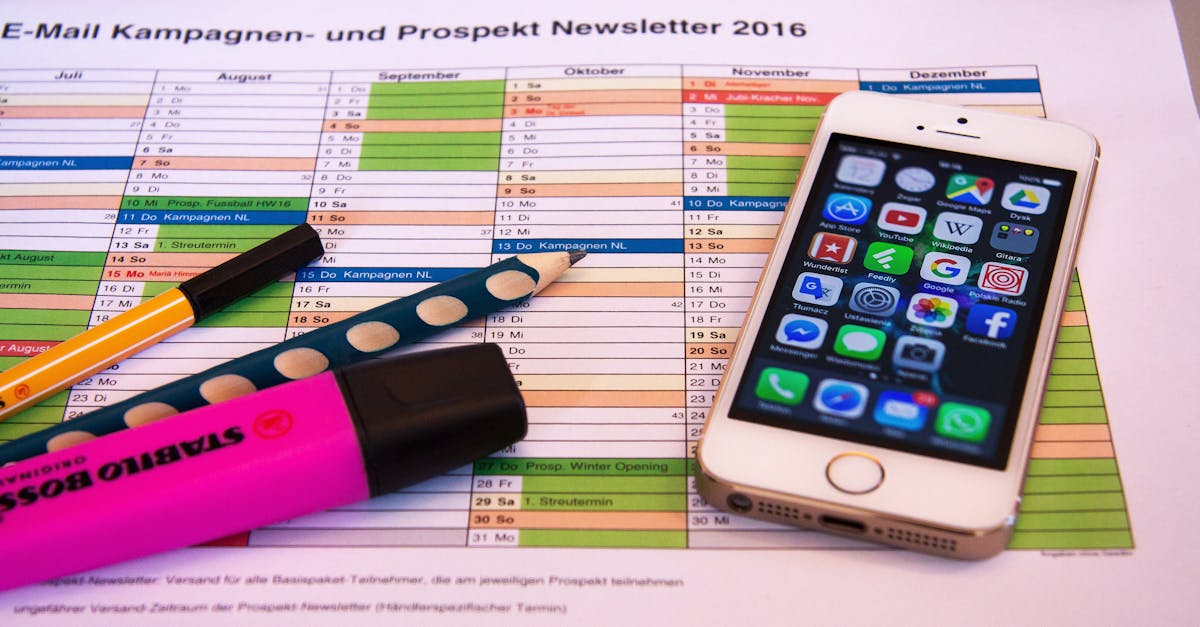
Consultants often jump into productivity apps hoping for a magic fix. Spoiler: that doesn't happen. You can install every app under the sun, but if you don’t address the common pitfalls, your productivity won’t improve much. While setting up a system that actually evolves, here’s where most people trip—and how you can fix those stumbles.
Failure #1: Overloading on tools without a clear system
Consultants love trying new apps. Calendly for scheduling. Trello for tasks. Slack for chat. Zoom for calls. And on and on. The problem? They end up juggling 5 or 6 apps that don’t talk to each other, so the workload just feels heavier.
Fix: Pick a core app that covers your main needs and use add-ons sparingly. Say, Meetdone is great for tracking progress on tasks and keeping meeting notes all in one place, instead of scattering info across email, notes, and separate task apps.
Optimization tip:
- Start simple: Use one app for task and project tracking. - Integrate your calendar and communication tools to reduce context switching. - Regularly audit tools quarterly—ditch what’s not pulling weight.
Failure #2: Ignoring meeting follow-ups and note organization
Meetings can easily become productivity killers if you don’t capture clear decisions and action items immediately. Too often, notes are scribbled in random docs or lost in emails, leaving you scrambling later.
Fix: Use a meeting notes app designed to store and link notes directly to projects or clients. Meetdone’s meeting notes feature is built for this—organizing notes as actionable tasks and sending reminders without you manually chasing everything.
Practical step: After every meeting, spend 5 minutes turning key points into clear tasks assigned to relevant people. Forward concise email summaries using templates tailored for consultants, which you can find in this consultant email templates guide.
Failure #3: Over-automating without reviewing results
Auto-task creation, email sequences, or time-tracking can boost productivity but only if you check regularly that they’re actually helping. Blindly trusting automation risks filling up your to-do list with irrelevant tasks or missing priorities.
Fix: Schedule weekly reviews to assess what automated tasks worked and what didn’t. This loop helps you tweak rules or pause workflows that aren’t productive anymore.
Quick checklist for your weekly review:
- Are task deadlines realistic? - Is the workload balanced, or are you overloaded on certain days? - Are you spending time on tasks that don’t move client projects forward? - What recurring bottlenecks keep showing up?
Failure #4: Not tracking time or progress meaningfully
Logging hours or ticking off tasks without context can make productivity feel mechanical rather than insightful. Consultants need to know not just how busy they are, but where the real value lies.
Fix: Use apps that link time tracking to specific client outcomes or project milestones. For example, Meetdone allows you to track progress visually and attach notes or files to each task, so you see what’s done, what’s stuck, and why.
Concrete action: At the end of each client phase, review how your tracked time aligned with results. If you spent 10 hours on admin for a $1,000 project, that’s a red flag for renegotiation or process redesign.
Failure #5: Skipping regular productivity hygiene
It sounds boring, but this is the single biggest productivity killer: consultants often forget to clear out old tasks, archive finished projects, and tidy up their digital workspace. Cluttered apps and overflowing inboxes drain focus fast.
Fix: Treat once-a-week “clean up” sessions as unbreakable appointments. Use that time to:
- Archive or delete completed projects
- Review upcoming deadlines
- Clear your inbox and sort emails into folders or labels
- Update your task priorities and delegate if possible
That kind of routine creates breathing room and avoids task pile-ups that crush motivation.
Bringing it all together: The optimization loop
Fixing these failures isn’t a one-and-done deal. The secret is a feedback loop where you:
- Choose your core productivity app(s)
- Set simple workflows — from meeting notes to task management
- Automate cautiously, monitor what works, drop what doesn’t
- Review progress weekly, adjust priorities and workload
- Clean up regularly, clear clutter to stay sharp
Each cycle makes your system a bit smarter and easier to use. Over time, you’ll stop fighting your tools and start letting them do the heavy lifting.
If you’re consulting solo or managing multiple clients, the right apps and habits can save hours every week. For more productivity hacks tailored to freelancers and consultants, check out these resources on freelancer productivity tools or how to pick the best meeting notes app. It’s not just about working harder, but working smarter with the right setup.
Finding the right consultant productivity apps can make a big difference in managing your time, projects, and client communication. Consultants juggle multiple tasks—from scheduling meetings to tracking project progress—so apps that help keep these organized are gold. Tools like Meetdone focus on simplifying meeting notes and task follow-ups, which saves time and keeps things on track without adding complexity.
A solid productivity app should cover time tracking, task management, and communication. Say, combining a good meeting notes app with project management tools can reduce the back-and-forth emails and help you focus on delivering results. You might also want to check out resources like freelancer productivity tools or consultant email templates for practical ways to boost your daily workflow.
FAQ
What are the must-have features in consultant productivity apps?
Most consultants need apps that handle task management, time tracking, and communication in one place or integrate smoothly. Features like easy-to-use to-do lists, calendar syncing, and quick note-taking are essential. Apps that offer meeting notes and follow-up reminders—like Meetdone—can cut down on missed details and improve client interactions. The key is to choose tools that don’t add complexity but instead help you stay organized without extra effort.
How can productivity apps help improve client communication for consultants?
Productivity apps streamline client communication by keeping all notes, tasks, and deadlines connected. Instead of digging through emails or scattered notes, everything’s in one place. This reduces misunderstandings and delays. Apps with email templates or automated follow-ups save time, ensuring your messages are clear and professional. Check out consultant email templates for examples that can be integrated into your workflow to maintain consistency.
Are there specific productivity tools recommended for consultants working remotely?
Absolutely. Remote consultants benefit from apps that support collaboration and transparency. Tools that offer real-time updates, file sharing, and easy meeting note capture are crucial. Meeting notes apps like Meetdone can improve how you document and share decisions made during virtual calls. Combining these with task trackers and calendar apps creates a solid system that keeps you aligned with clients and teammates, no matter where you’re working from.
How do consultant productivity apps differ from general productivity tools?
Consultant productivity apps often focus more on client management and project tracking tailored to consulting workflows. They include features like billable hour tracking, proposal templates, and detailed meeting notes that general tools might lack. While general productivity apps cover broad tasks, consultant-specific tools help you manage the unique challenges of juggling multiple clients and deadlines. For freelancers or consultants, using dedicated tools or combining specialized apps—like those found in freelancer productivity tools—can make your day smoother.
Finding the right consultant productivity apps can really change how you handle your workload. Whether it’s managing projects, tracking time, or keeping client communication clear, the right tools make a noticeable difference. Apps like Trello or Asana help you organize tasks, but don’t forget the value of specialized tools like Meetdone, which streamlines your meeting notes and action items so nothing slips through the cracks.
For consultants juggling multiple clients and deadlines, productivity isn’t just about working harder—it’s about working smarter. Alongside workflow apps, email templates tailored for consultants save tons of time drafting messages. If you want a head start on that, check out these consultant email templates. Also, if you’re freelancing or consulting solo, some of the best productivity tools are covered in this freelancer productivity tools post.
The trick is to pick apps that actually fit your style and needs, not just the ones with the flashiest features. You want tools that help you focus on what matters—delivering value to your clients without drowning in admin work. Meetdone is solid for keeping your meetings productive and follow-ups clear, which is a huge win in consulting.
Conclusion
Consultant productivity apps aren’t a one-size-fits-all solution, but investing time to find ones that match your workflow pays off quickly. Whether it’s project management, note-taking, or email communication, the right tools reduce busywork and keep you focused on client results. Using apps like Meetdone can simplify your daily routines, especially meetings—a notorious time sink for consultants.
If you want to boost your efficiency, start small. Try a few tools and see which ones stick. Over time, this approach helps create a system that supports your unique consulting style, freeing you up to do what you do best. And if you want some practical resources, the linked templates and tools from Meetdone’s blog are a great place to start.