Blog
3 marca 2026
Meeting Transcription for freelancers in United States
Meeting Transcription for freelancers in United States Trying to keep up with everything said during meetings? You’re not alone. Meeting transcription takes ...
On this page
Meeting Transcription for freelancers in United States
Trying to keep up with everything said during meetings? You’re not alone. Meeting transcription takes the pressure off your ears and memory by turning spoken words into written text. This means you can focus on the discussion instead of frantically jotting down notes—or worse, missing key points altogether.
Transcripts make it easier to review decisions, assign tasks, and keep absent teammates in the loop. Plus, they’re a lifesaver when you need to reference what was actually said, avoiding those “I thought you meant…” moments. Whether you’re running daily stand-ups, client calls, or big brainstorming sessions, having a clear record aids keep everyone on the same page.
There are tons of apps out there claiming to transcribe meetings flawlessly, but the truth is they vary widely in accuracy, features, and ease of use. Some, like Otter.ai, even offer AI-powered insights beyond just transcription, highlighting action items and key topics. Others focus on integration with your calendar or messaging apps.
If you want to explore tools designed to make capturing meeting notes effortless, check out this guide on meeting transcription software. For those who want a solid app to organize and share notes after the fact, this post on meeting notes apps is useful. And if you’re curious how to turn raw transcription into actionable summaries, this one on transcribing meeting notes breaks it down nicely.
One tool I’ve seen doing a good job is Meetdone. It helps capture notes and decisions efficiently, making follow-ups less of a chore. Getting meeting transcription right isn’t just about saving time during the call—it’s about making your meetings actually useful afterward.
Commercial context and intent mapping
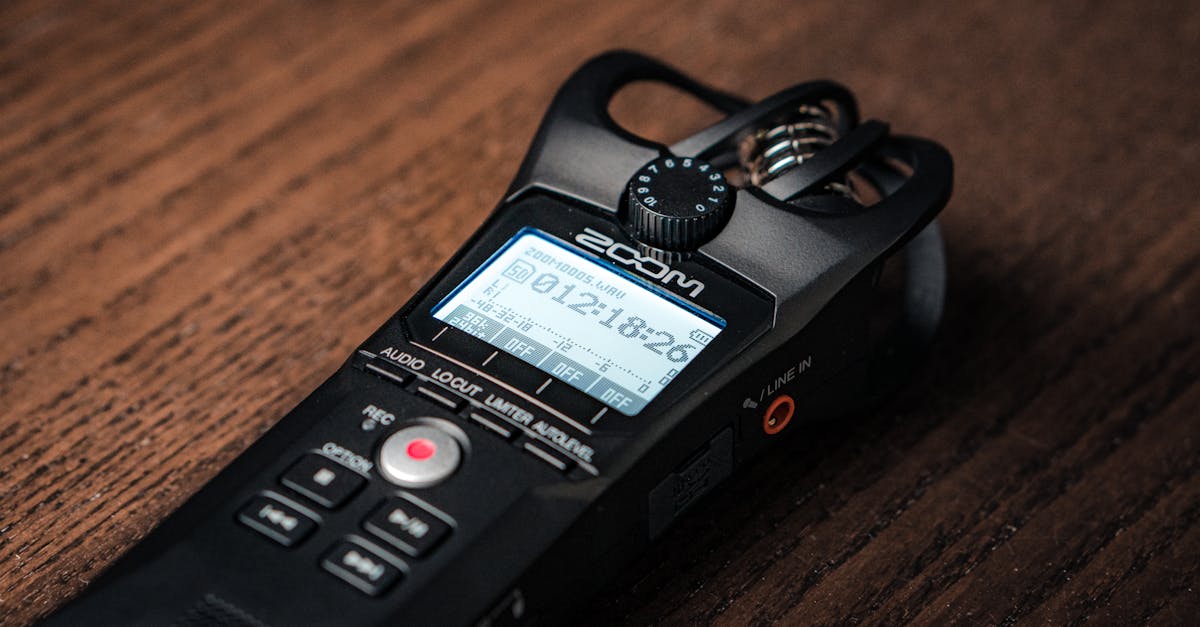
Meeting transcription is no longer just a nice-to-have—it’s becoming a must-have for businesses that want to keep pace with fast-moving discussions and avoid losing key information. When you hear “meeting transcription,” think about capturing spoken content from meetings and turning it into accurate, readable text. This helps teams focus on the conversation instead of frantic note-taking.
Why companies care about meeting transcription
At its core, meeting transcription answers a simple but critical need: how to make meetings more productive and transparent. Without a solid record, vital points can slip through the cracks. Imagine a client call where decisions about budgets or deadlines are literally made. If no one has a reliable transcript, someone inevitably forgets or misinterprets the outcome.
Here’s what drives companies toward transcription tools:
- Accountability: Clear records mean no one can claim “I wasn’t told.” Transcripts become proof of what was decided.
- Collaboration: When a meeting’s transcription is shared, absent team members can get up to speed quickly.
- Efficiency: Instead of scribbling notes, participants can engage fully. Plus, searchable transcripts reduce time spent digging through emails or recordings.
- Compliance: Some industries require detailed logs of conversations (think legal or healthcare), making transcription critical.
Who’s using meeting transcription and how
The use cases are surprisingly broad. It’s not just about project meetings or sales calls anymore. Here are some examples:
- Remote teams: For companies spread across time zones, transcripts help bridge the gap. If you can’t attend, you can still catch what you missed.
- Customer support and sales: Calls with customers can be reviewed to improve service and ensure promises align with what was discussed.
- Product development: Engineers and designers can review feature discussion transcripts to make sure requirements don’t get lost in translation.
- HR and training: Transcripts of interviews or training sessions help maintain consistency and are easy to archive.
How intent for “meeting transcription” breaks down commercially
When people search for meeting transcription, their reasons vary, but generally fall into three buckets:
-
Finding the right tool: Many want to know which software or app fits their needs. This includes comparing features like live transcription, AI summarization, integrations with other tools, or support for multiple languages.
-
How-to guide or best practices: Users might already have a transcription tool but want advice on using it efficiently, like setting up speaker identification or exporting notes.
-
Evaluating ROI: Some are looking for business cases or examples that justify investing in transcription software, weighing cost against time saved or accuracy gained.
Mapping these intents helps businesses position their content and products effectively. Take Meetdone focuses on automating meeting notes and transcription in a way that helps teams capture decisions and follow-up tasks with minimal effort. This hits the “how-to” and “tool” needs directly.
Practical considerations for buyers
If you’re shopping for meeting transcription software, here’s what usually matters:
- Accuracy: How well does it handle different accents, technical jargon, or noisy environments?
- Real-time vs. Post-meeting: Some want live transcription that updates as you speak; others are fine with post-meeting processing.
- Integration: Does it connect to your calendar, video conferencing apps, or project management tools?
- Search and retrieval: Can you search keywords in transcripts, tag important moments, or generate summaries?
- Pricing: Subscription models vary widely, from pay-per-minute to flat monthly fees.
A quick note on related content
If you're digging into meeting transcription, you should also check out related topics like how to take effective meeting notes or apps that simplify the note-taking process. These can complement your transcription strategy by making sure the text gets turned into actionable tasks. For that, check out these resources:
- Meeting transcription software
- Meeting notes app
- Transcribe meeting notes
In short, meeting transcription sits at the intersection of communication, tech, and workflow efficiency. Companies that get this right don’t just record words—they turn meetings into clear, useful records that keep projects moving and teams aligned.
Step-by-step implementation process

Getting meeting transcription right is less about fancy tech and more about the steps you take before, during, and after the meeting. Here’s a practical walkthrough to set you up for smooth, accurate transcription—whether you’re using AI tools like Meetdone or manual methods.
1. Prepare before the meeting
Start by setting yourself up with the right recording environment and tools. This matters more than people realize.
- Choose your device wisely: Use a good microphone or a laptop with a decent built-in mic. Avoid phone mics if you expect lots of background noise or multiple speakers.
- Test your tech: Run a quick test recording to check audio clarity. Poor audio kills transcription accuracy.
- Inform participants: Let everyone know the meeting will be recorded or transcribed. This avoids legal headaches and makes people more mindful about speaking clearly.
- Select the transcription tool: If you’re using software, decide on it beforehand. Tools like Meetdone offer built-in transcription and note features, which can save time later.
2. Record the meeting with clear audio
How you capture the audio affects your transcription’s quality.
- Position your mic strategically: Place the mic close enough to the main speakers but avoid overlapping voices too much.
- Minimize background noise: Choose a quiet room, close windows, and mute notifications on all devices.
- Use meeting platforms that support recording: Zoom, Microsoft Teams, and Google Meet have built-in recording features you can use, but sometimes exporting audio for a separate transcription tool yields better results.
3. Transcribe the meeting audio
- Automated transcription tools: Upload your audio to tools like Meetdone or Otter.ai. These services use AI to generate text quickly.
- Manual transcription: If you opt to do it yourself or have someone else do it, use transcription apps with easy controls. This is slower but can be more accurate.
- Check for speaker identification: Good transcription software will tag speakers automatically. If not, you may need to label speakers manually during the review phase.
4. Review and correct the transcript
AI-generated transcripts aren’t perfect. You’ll need to edit.
- Look for common errors: Names, acronyms, and technical terms often get messed up.
- Clarify ambiguous phrases: Sometimes AI mishears a word or phrase, changing the meaning.
- Format the transcript: Break up large blocks of text into smaller paragraphs. Add timestamps if your team needs to jump to specific parts later.
5. Extract key insights and action items
Transcripts tend to be lengthy. The real value comes from pulling out what matters.
- Highlight decisions, tasks, and deadlines: Use text highlights or notes in your transcription software.
- Summarize discussions: Write short summaries for each agenda item or topic.
- Assign follow-ups: Add clear ownership to action points, so nothing falls through the cracks.
6. Share and store the transcript
Once finalized, get the transcript to the right people and make sure it’s easy to find later.
- Distribute promptly: Send the transcript or summary within 24 hours to keep momentum going.
- Use a centralized platform: Tools like Meetdone integrate sharing and storage, so team members can access transcripts anytime.
- Link related materials: Attach the original audio or meeting slides for context if needed.
Example workflow using Meetdone
- Before the meeting, set up Meetdone to record and transcribe your session automatically.
- During the meeting, ensure your mic picks up everyone clearly.
- After the meeting, review Meetdone’s transcript, correct errors, and highlight the critical takeaways.
- Share the summary with your team directly through Meetdone and assign tasks.
- Keep your meeting notes and transcripts organized in Meetdone’s workspace for easy future reference.
If you want a more detailed look at specific transcription software options or need advice on apps for meeting notes, check out this guide on meeting transcription software and our post on meeting notes apps. Also, for tips on turning your transcripts into useful notes, this article on transcribing meeting notes offers practical advice.
By following these steps deliberately, you avoid the chaos of poorly recorded meetings and messy notes, and instead create a reliable record that actually helps your team move forward.
Real-world examples and execution details

Meeting transcription isn’t just a nice-to-have; it’s a practical tool that, when used right, can seriously improve how teams capture and follow up on discussions. Let’s get into some actual ways folks use transcription in their daily workflows, and what it takes to make it work beyond just hitting “record.”
How teams use meeting transcription in practice
-
Instant recap for absentees Imagine a project meeting where one key member is out sick. Instead of relying on shaky memory or partial notes, the team shares the transcript so the absent teammate can get up to speed quickly. This saves hours of follow-up emails or separate catch-up calls.
-
Turning talks into action items Transcriptions help highlight clear action points without depending on someone’s shorthand notes. Some tools even auto-extract tasks or deadlines from conversations, which can then be assigned right away.
-
Improving meeting accountability When you have a written record, it’s easier to clarify who said what, reducing misunderstandings later. This is especially helpful for client calls or cross-department meetings with complex decisions.
-
Training and onboarding New hires can review transcripts from previous meetings to understand ongoing projects without always needing a live walkthrough. This documentation builds institutional knowledge over time.
Real tools in action
Let’s look at a few concrete examples:
- Otter.ai is popular for live transcription with speaker identification. Teams use it to capture weekly status updates and then export summaries for emails or Slack. The AI can tag keywords and even highlight snippets, saving manual review time.
- Meetdone – which you might already know – combines transcription with task tracking. After a meeting, it not only provides accurate notes but lets you assign next steps right inside the app. That’s a time-saver compared to juggling separate tools. They’ve got a great blog that dives into how their meeting notes app integrates transcription and task management seamlessly.
- Some teams use more manual methods—like recording Zoom meetings and then uploading audio files to transcription services. This works but adds extra steps and delays the availability of notes.
What makes transcription stick in daily use?
In practice, transcription only works if the process is easy and integrated with how people already work. Here’s what teams usually focus on:
- Clear audio quality: Mic placement and quiet rooms are underrated. Garbage in, garbage out applies—bad recordings mean bad transcriptions.
- Speaker differentiation: Knowing who said what matters. Tools that auto-label speakers save hours.
- Edit and review: AI transcription isn’t perfect. Someone usually needs to skim the transcript, fix errors, and tidy up before sharing.
- Linking notes to tasks: This is the big one. Transcripts are readable, but if you can’t turn them into assigned work, they quickly lose value.
Example workflow breakdown
Here’s a simplified workflow from a marketing team using transcription software integrated with their task manager:
| Step | Action | Tool/Method | |----------------------------|-----------------------------------------|---------------------------------| | Before meeting | Set up transcription and test audio | Otter.ai or Meetdone | | During meeting | Live transcription with speaker tagging | Otter live transcription | | Right after meeting | Review/edit transcript, extract tasks | Meetdone to assign action items | | Share with team | Send final transcript + task list | Email or Slack | | Follow-up | Track task completion | Project management tool |
A few tips from experience
- Don’t make transcription an afterthought. Schedule 5-10 minutes post-meeting for quick review and cleanup.
- Choose tools that let you export notes in formats compatible with your existing workflow—whether that’s email, Slack, or your project management software.
- Use transcription as part of your meeting culture. Remind participants that what they say will be documented, which can encourage clearer communication.
- If you handle sensitive info, check the security and privacy policies of your transcription service.
If you want more practical advice on specific meeting transcription software or how to set up your own system, this blog post covers some solid options and features to look for. Also, for tips on combining transcription with note-taking, check out this guide.
Meeting transcription isn’t magic. It’s about picking the right tool, fitting it into your existing flow, and making sure the transcript actually drives action. When done well, it’s a straightforward way to cut down on meeting chaos and keep everyone on the same page.
Common failures, fixes, and optimization loops

Meeting transcription sounds straightforward: record, convert speech to text, done. But any seasoned user will tell you it’s rarely that simple. You’ll hit snags, and if you don’t address them, your transcripts won’t be worth much. Here’s a rundown of the typical issues, how to fix them, and what you can tweak going forward.
Failure #1: Poor audio quality kills transcription accuracy
This is the most common culprit. If the audio is muddy, with background noise or overlapping voices, transcription software struggles. Even the best AI can’t guess words reliably when it can’t hear them clearly.
How to fix:
- Use an external mic or headset, especially in noisy environments.
- Ask participants to mute when not speaking.
- Record in a quiet room with minimal echo.
- Choose a transcription tool with noise suppression do this well).
If you ignore audio quality, you’ll spend twice the time cleaning up transcripts or worse, miss critical details.
Failure #2: Speaker confusion and misattribution
Many tools stumble when multiple people talk, mixing up who said what. This looks sloppy and can confuse follow-up work.
Fix it by:
- Using tools with speaker diarization — they tag text by speaker.
- Assigning speakers names ahead of time if your software allows.
- Having a clear speaking order or moderator to reduce crosstalk.
- Training your team to announce their names before speaking.
Good diarization isn’t perfect yet, so expect some manual fixes. But it’s worth it for clear meeting records.
Failure #3: Overreliance on automated transcription without review
AI transcription is fast but never flawless. Skipping review leads to errors slipping through, misinterpreted jargon, or missed action items.
To avoid this:
- Always proofread key parts or the entire transcript if the meeting is critical.
- Pair AI transcription with manual note-taking or summaries.
- Use tools that highlight unclear words for easy correction.
Trust the AI, but don’t let it be the only voice.
Failure #4: Not integrating transcripts with your workflows
Transcriptions are only useful if they fit into how your team works. If they sit in a folder nobody checks or can’t be searched and shared easily, you lose value.
Here’s how to fix that:
- Use transcription tools that integrate with your project management or communication apps.
- Organize transcripts with clear naming conventions and metadata.
- Share summaries or highlight action items immediately after meetings.
- Store transcripts where your team naturally looks — Slack, Google Drive, or your meeting notes app like Meetdone.
Optimization loops: Keep improving your transcription process
Once you fix the basics, you can start optimizing. The key is to treat transcription as an evolving process, not a set-it-and-forget-it tool.
Try these steps:
-
Collect feedback regularly Ask your team what’s working and where transcripts fall short. Are there recurring errors? Missing info? Slow turnaround?
-
Experiment with different tools Some meetings benefit from specialized apps — for example, this overview lists software with different strengths (real-time transcription, multi-language support, integrations).
-
Standardize meeting practices A few tweaks to how meetings run make transcription easier: name introductions, clearer agendas, designated speakers.
-
Automate post-processing Use scripts or software features to auto-highlight action items or deadlines from transcripts. This cuts manual follow-up time.
-
Train your team Teach everyone how to maximize transcription accuracy — clear speech, avoiding jargon, and how to tag speakers.
Quick checklist to optimize your meeting transcription
- Use dedicated mics or headsets, and minimize background noise.
- Enable speaker diarization and name speakers upfront.
- Always proofread or spot-check transcripts.
- Integrate transcripts with your workflows.
- Regularly review and adjust your tools and meeting formats.
- Train your team on best practices for transcription.
Trying to fix everything at once will overwhelm you. Pick one pain point—like audio quality or workflow integration—and improve it step-by-step. The returns compound quickly.
If you want to see transcription actually support better meetings rather than just produce long unread documents, consider checking out Meetdone. It’s designed to help teams not only transcribe but also organize and act on meeting notes efficiently. Their approach reflects many of the fixes and optimizations above, wrapped into a user-friendly app.
For more on transcribing meeting notes and managing them right after, this post on how to transcribe meeting notes is a solid next step. It dives into practical tips on turning raw transcripts into actionable insights, which is where the real value lies.
In the end, meeting transcription isn’t just tech – it’s a process you build and refine. Nail the basics, iterate on your workflow, and you’ll get transcripts that genuinely help your team move forward.
Meeting transcription is the process of turning spoken words from meetings into written text. Truth is, this helps teams keep accurate records without relying on memory or hurried note-taking. Nowadays, AI-powered tools like Otter.ai or Meetdone make transcription faster and more reliable, capturing not just what’s said but also who said it and when.
Using transcription saves time because you don't have to write notes live or try to remember details later. Plus, having a searchable text record makes it easier to revisit decisions, action items, and discussions. If you want to explore options, check out this guide on meeting transcription software or see how transcription fits into overall note-taking in this post about meeting notes apps.
Meetdone is one tool that combines transcription with task tracking, so you get both the conversation and follow-up actions in one place. That’s especially useful if you want your meeting notes to lead directly to results.
FAQ
What are the benefits of using meeting transcription?
Meeting transcription captures conversations verbatim, which means you get an accurate and detailed record of what was discussed. This reduces misunderstandings and missed info, especially for complex or fast-paced sessions. It also frees participants from taking notes during the meeting, allowing them to focus fully on the discussion. Plus, searchable transcripts make it easier to find specific points later without digging through hours of recordings. Overall, it improves accountability and follow-through since action items and decisions are clearly documented.
How accurate are AI meeting transcription tools?
AI transcription accuracy depends on factors like audio quality, speaker clarity, and background noise. With good conditions, many tools reach around 85-95% accuracy, which is usually enough for most business needs. Some services also offer speaker identification and punctuation to make transcripts easier to read. That said, you might still need to review or edit transcripts for jargon, accents, or technical terms. Using a tool like Meetdone, which integrates transcription with notes, can help you quickly spot and fix errors while organizing tasks.
Can meeting transcription tools handle multiple speakers?
Yes, many modern transcription services support multiple speakers by identifying and labeling each voice in the transcript. This feature helps you track who said what without confusion, which is essential in team meetings, interviews, or brainstorming sessions. The accuracy of speaker identification improves with clearer audio and fewer overlapping voices. If you frequently work with group meetings, choosing transcription software with strong multi-speaker support—like Otter.ai or Meetdone—is worth considering.
How can I use meeting transcription to improve team productivity?
Transcripts provide a clear, accessible record of conversations, so everyone stays on the same page about decisions and next steps. When combined with task management features, transcription tools turn meeting talk into actionable items without extra effort. You can easily assign follow-ups, set deadlines, and share notes with absent team members. This process reduces confusion, avoids redundant meetings, and speeds up project progress. For a practical example, check out how to transcribe meeting notes effectively and turn them into results.
Meeting transcription is quickly becoming a must-have for anyone who spends a lot of time in meetings. Instead of scrambling to jot down every detail or relying on memory afterward, transcription tools capture everything—word for word. This not only saves time but also makes it easier to review, share, and act on what was discussed.
There are plenty of transcription apps out there, each with different strengths. Some, like Otter.ai, focus heavily on AI-driven note-taking and even pull out insights from the conversation. Others might prioritize integration with calendars or project management tools. If you want a good overview of options, this meeting transcription software guide breaks down popular choices and what makes them stand out. I also found that pairing transcription with a solid meeting notes app can be a game-changer for follow-up—here’s a helpful list of meeting notes apps to check out.
For teams or individuals looking for something that combines transcription with task tracking, Meetdone is worth a shot. It doesn’t just transcribe your meetings; it helps turn those transcripts into actionable next steps, so you’re not stuck with a wall of text but something you can actually use. Plus, if you want to learn how to transcribe meeting notes effectively, this transcribe meeting notes guide offers some practical tips.
Conclusion
Meeting transcription isn’t just a nice-to-have anymore—it’s becoming essential for keeping meetings productive and ensuring nothing slips through the cracks. Whether you’re using simple tools or AI-powered platforms, transcription helps free you from frantic note-taking and gives you accurate records to work with. That clarity alone can save hours downstream.
But transcription only hits the mark if you use it right. Picking the right software depends on your workflow and what you need beyond just text—insights, action items, easy sharing. This is where tools like Meetdone stand out by connecting transcription directly to task management. If you’re serious about making meetings more efficient, adding transcription to your toolkit is a smart move.